

If you earn a paycheque from an employer in Toronto, Mississauga, Brampton, Markham, Vaughan, or anywhere else in the Greater Toronto Area, you may be leaving real money on the table at tax time. The Canada Revenue Agency (CRA) allows a wide range of tax deductions for employees in Canada, but only if you know what to claim and have the right paperwork. Whether you file on your own or use personal tax services in the Greater Toronto Area, knowing what’s available is the first step.
The numbers tell a striking story. In November 2024, roughly 28.8% of employees in the Toronto economic region worked in hybrid arrangements or fully from home, according to Statistics Canada data. Yet only 23% of remote workers in 2025 confirmed they had received a signed T2200 form from their employer, and 36% said they had no plans to claim home office expenses at all.
That is a lot of unclaimed deductions. This guide walks you through what GTA employees can deduct, the forms you need, and the rules for the 2025 tax year (filed in spring 2026). Here’s what you need to know to keep more of your income.
Who Qualifies for Tax Deductions for Employees in Canada?

Not every employee can deduct work expenses. The CRA sets specific conditions: your employer must have required you to pay for work-related expenses, and you must not have been fully reimbursed. The expenses must be reasonable, directly tied to earning your employment income, and supported by receipts.
Two forms work together: Form T2200 is your employer’s certification, and Form T777 is where you calculate the deduction.
The T2200 Form: Your Starting Point
Form T2200, Declaration of Conditions of Employment, is filled out and signed by your employer. It confirms that your job required you to pay for specific expenses, such as a home office, a vehicle, or supplies. Without a signed T2200, the CRA will generally deny your claim.
You don’t submit the T2200 with your return, but you must keep it on file. If you have more than one employer, ask each to complete a separate form. Request it early, because HR departments don’t always move quickly in March and April.
What Is the T777 Statement of Employment Expenses?
Form T777 is where you actually calculate your deduction. You list eligible expenses, apportion business versus personal use, and arrive at a total that flows to line 22900 of your T1 return.
The form has dedicated sections for motor vehicle expenses, home office expenses, and capital cost allowance, plus a general area for items like office supplies and cell phone costs. Salaried and commission employees use the same form, but commission employees can deduct a wider range of expenses.
Like the T2200, you don’t send T777 receipts to the CRA when you file. Keep them on hand for at least six years.
Home Office Deductions for Hybrid and Remote Workers

Hybrid schedules are now standard across many GTA workplaces, especially in finance, technology, and professional services. If you work from home regularly, this is often the largest deduction available to you.
The rules changed after the COVID-era simplified method was phased out. For the 2025 tax year, employees must use the detailed method to claim home office expenses. The temporary flat-rate method is no longer available.
Eligibility After the Flat-Rate Method Ended
To claim home office expenses for 2025, you must have worked from home more than 50% of the time for at least four consecutive weeks, been required to work from home under a written or verbal agreement with your employer, paid for unreimbursed work-space expenses, and have a completed and signed Form T2200.
The 50% threshold is workable for many GTA hybrid employees. A typical three-days-from-home schedule for several months easily clears the bar. You only need one qualifying four-week stretch to open the door.
Even though 82.6% of Canadians were commuting to work as of May 2025, most GTA hybrid workers still spend enough days at home to qualify. Long-term clients consistently tell us they appreciate having an accountant who explains complex rules like these in plain language.
What Home Office Expenses Can You Claim?
You can claim a portion of utilities (electricity, heat, water), home internet fees, maintenance, office supplies, and rent (if you’re a tenant). Calculate your work-space percentage by dividing your office area by your home’s finished area, then adjust for hours used for work versus personal time.
You cannot claim mortgage interest, property taxes, or home insurance as a salaried employee. Those are reserved for commission employees and self-employed taxpayers. Furniture, decor, and capital improvements are also excluded.
Renters vs. Homeowners in the GTA
Renters can claim a portion of their rent, often their largest housing expense. Homeowners are limited to utilities, internet, and maintenance, which usually adds up to less. A renter paying $2,500 per month for a Toronto condo with a 10% workspace percentage could potentially claim $3,000 per year. A homeowner with the same workspace might claim only a few hundred dollars. The rules are the same; the math just favours renters.
Motor Vehicle and Travel Expenses
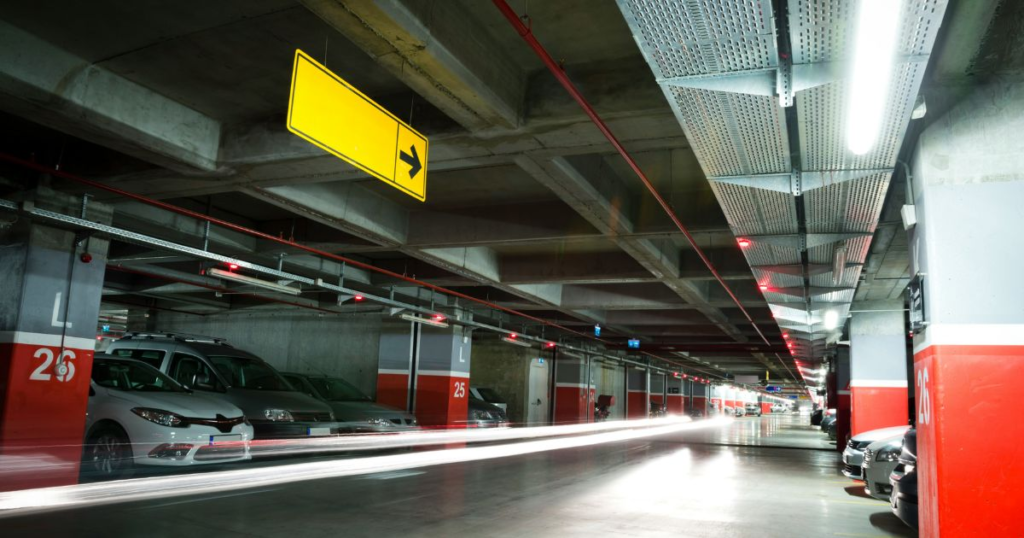
If your job requires you to drive for work, vehicle costs add up quickly across the GTA, where regional travel between Toronto, Mississauga, Brampton, and Markham is common. The good news: these costs are often deductible if your conditions of employment require driving and you weren’t given a reasonable per-kilometre allowance.
When Can You Deduct Vehicle Expenses?
You can deduct motor vehicle expenses you paid to earn employment income if you were normally required to work away from your employer’s place of business, your contract required you to use your own vehicle, you did not receive a non-taxable allowance, and you have a signed T2200.
Eligible costs include fuel, insurance, licence and registration fees, maintenance and repairs, leasing costs, and capital cost allowance for vehicle depreciation. Each is limited by the percentage of kilometres you drove for work versus personal use.
What Counts as Employment Driving?
Here’s where many employees get tripped up. The CRA considers driving between home and your regular workplace to be personal use, not employment driving. Your morning commute from Vaughan to a downtown Toronto office, or from Etobicoke to a Mississauga workplace, doesn’t count.
What does count: travel between job sites, visits to clients or customers, trips between two workplaces for the same employer, and trips that go directly from your home to a temporary work location without stopping at your regular office. If you’re a sales rep covering accounts across the GTA, those client visits are deductible kilometres.
Keeping a CRA-Compliant Mileage Log
Your entire vehicle deduction depends on your kilometre log. Without one, you cannot calculate your business-use percentage or justify the claim if the CRA reviews it.
Your log should record, for each work trip: date, destination, purpose, and kilometres driven. The CRA accepts digital logs from mileage-tracking apps, as long as they capture the required information. At minimum, note your odometer reading at the start and end of the year, plus your total employment-related kilometres.
Other Tax Deductions for Employees in Canada GTA Workers Often Miss
Beyond the home office and vehicle, several other deductions slip past employees every year. These often have less paperwork involved, but they reduce your tax bill just the same. Clients who work with Simplified Accounting on personal taxes consistently say the proactive advice they receive, particularly around deductions they didn’t know existed, is what makes the difference at filing time.
Union and Professional Dues (Line 21200)
If you pay union dues or professional membership fees as a condition of employment, you can deduct them on line 21200 of your T1 return. The amount usually appears in box 44 of your T4 slip.
Eligible amounts include annual trade union dues, professional board dues required under provincial law, malpractice liability insurance you must carry by law, and professional dues required to maintain a regulated status (such as CPAs, lawyers, engineers, nurses, and many regulated trades in Ontario).
You cannot deduct dues for voluntary associations that don’t affect your professional standing. Initiation fees, special assessments, and pension plan contributions are also excluded. If your employer pays the dues on your behalf and the cost isn’t reported as a taxable benefit on your T4, you can’t claim a deduction.
Moving Expenses for a New Job (Line 21900)
If you relocated within the GTA or moved into the region for a new job, you may be able to deduct moving expenses on line 21900. The key test: your new home must be at least 40 kilometres closer to your new work location than your old home was.
Eligible costs include transportation and storage of your belongings, travel to the new home (including reasonable meals and lodging), temporary living expenses up to 15 days, and certain costs of selling your old home or breaking a lease. Use Form T1-M to calculate the deduction. The amount is capped at the income you earned at the new location, with unused expenses carried forward.
Tools, Supplies, and Cell Phone Costs
If your employer requires you to buy supplies you use up doing your job (printer ink, paper, postage, small consumables), the cost is deductible. Tradespeople have an additional deduction for eligible tools purchased during the year, calculated using a CRA formula. Apprentice mechanics have a separate, more generous tool deduction.
For cell phones, you can claim the work-use portion of your monthly basic plan if your job requires you to use your phone for work. You can’t claim the device itself unless your employer specifically required you to purchase it. Keep a few sample bills showing your work usage to support the percentage you claim.
What Can Commission Employees Deduct?

If you earn commission income, you have access to a broader list of deductions than salaried employees. The trade-off is more paperwork and stricter conditions.
Extra Categories Available to Commissioned Employees
To claim commission expenses, you must be paid in whole or in part by commission based on sales volume or contracts negotiated, normally work away from your employer’s place of business, pay your own expenses under your contract of employment, and not receive a non-taxable travel allowance.
If you meet these conditions, you can claim everything a salaried employee can plus advertising and promotion costs, meals and entertainment to earn commission income (subject to the 50% limit), home office property taxes and home insurance (in addition to utilities and rent), travel fares paid only for commission work, office rent, and salaries paid to a substitute or assistant. These expenses can include any GST or HST paid, and you may also qualify for an employee GST/HST rebate by filing Form GST370.
How Much Can a Commission Employee Claim?
There’s an important cap. Your total commission expenses (excluding capital cost allowance and interest on a vehicle loan) cannot exceed the commission income you earned for the year.
If your expenses are higher than that limit, you have a choice. You can either claim them under the commission employee rules up to the income cap, or claim only the salaried-employee categories with no income cap. Run the numbers both ways before filing, since the salaried option sometimes produces a larger deduction.
How Do You Actually Claim These Deductions on Your Tax Return?
Knowing what you can deduct is half the battle. Filing it correctly is the other half. The process flows through three steps: gather documents, complete Form T777, and report the result on line 22900 of your T1 return.
If your employer is registered for GST/HST, you may also qualify for an employee GST/HST rebate by filing Form GST370 and claiming it on line 45700. This often returns a few hundred dollars on top of your deduction. For complex situations, especially commission-employee filings or first-time hybrid claims, professional tax preparation and planning can pay for itself many times over.
Documents to Keep on File
For at least six years after filing, hold on to your signed Form T2200, all expense receipts (utilities, internet, supplies, fuel, insurance), your motor vehicle log with odometer readings, lease or mortgage statements (if applicable), records of any reimbursements received, and your completed Form T777. Digital copies are acceptable, but keep them organized and easy to retrieve.
Common Mistakes That Trigger CRA Reviews
- Filing without a T2200. No signed form means no claim, period.
- Claiming personal commuting kilometres. Driving from home to your regular office is personal, even if traffic from Brampton or Pickering makes it feel otherwise.
- Overstating the work-use percentage. Your claimed percentage for home office, vehicle, or cell phone must match your actual use. Inflating it is one of the fastest ways to get reassessed.
- Double-claiming union dues. If the amount is in box 44 of your T4, claim that number once. Don’t add a separate receipt total.
- Claiming reimbursed expenses. Subtract any reimbursements from your employer before calculating your claim.
If the CRA does flag your return, expert personal income tax preparation and proper documentation make all the difference. We’ve also helped clients through full reviews, including CRA audit and review support, so the process doesn’t have to feel overwhelming.
Ready to Maximize Your Employment Deductions This Tax Season?
GTA employees often qualify for more deductions than they realize, but the rules around T2200 forms, hybrid work, and vehicle use require careful attention. Three things to remember: get your T2200 signed early, keep clean records all year, and don’t assume you’re ineligible because you’re not self-employed. The hybrid worker who tracks utilities monthly, the commissioned sales rep who logs every client visit, and the new hire who saved their moving receipts will all see the difference at filing time. If you want to claim every dollar you’re entitled to and nothing you’re not, book a free consultation with our team. We help employees, commission earners, and hybrid workers across the GTA file with confidence.